

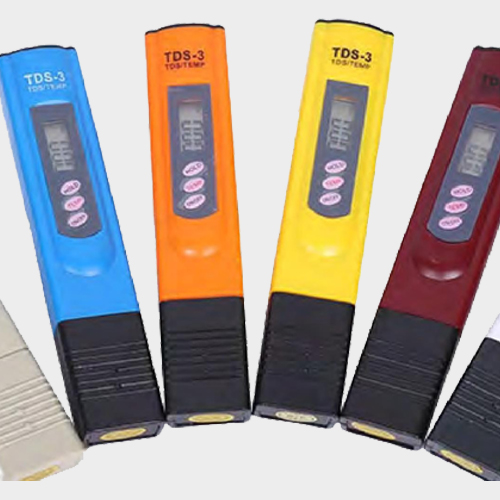
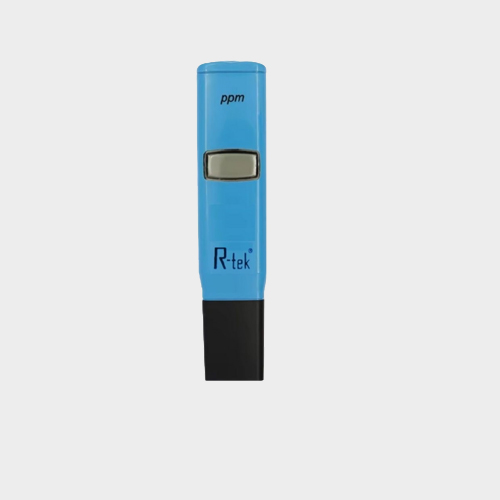
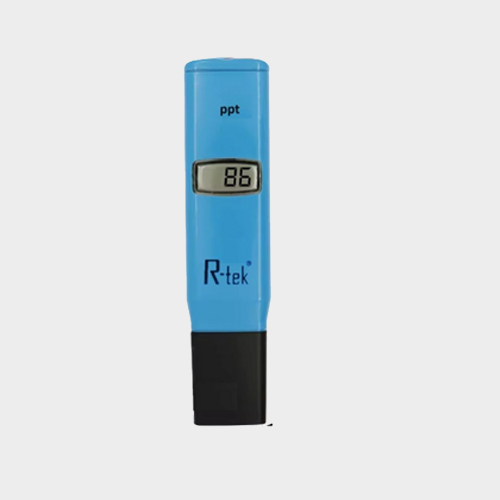

A TDS Meter (Total Dissolved Solids Meter) is a digital instrument used to measure the concentration of dissolved substances in water. It is commonly used for checking water quality and purity.
TDS is commonly measured in ppm (parts per million) or mg/L (milligrams per litre). For dilute aqueous solutions, ppm and mg/L are approximately equivalent.
A TDS meter generally measures the electrical conductivity (EC) of water and uses a conversion factor to estimate the concentration of dissolved solids, displaying the result as TDS.
TDS provides an indication of the amount of dissolved material present in water. Monitoring TDS can help identify changes in water quality and evaluate the performance of water purification systems.
Yes. TDS meters are widely used to monitor the performance of Reverse Osmosis (RO) systems by comparing the TDS level of water before and after treatment.
Yes. Conductivity is temperature-dependent, so temperature can influence the calculated TDS value. Meters with Automatic Temperature Compensation (ATC) can compensate for temperature variations.
A digital TDS meter offers quick measurement, easy-to-read results, portability, and convenient water-quality monitoring. Advanced models may also provide temperature measurement, ATC, data hold, and other useful functions.
